


Faecal incontinence is a distressing and often embarrassing condition that can significantly impact an individual’s quality of life. Faecal Incontinence Waltham Forest: How is it treated? With anal incontinence is a distressing and potentially embarrassing problem which can have a substantial impact on the quality of a person’s life. It results in accidental passage of stool or a loss of control over other bowel movements, which can be due to weakened pelvic floor muscles, nerve damage, or medical conditions. Thankfully, management of this issue is not invasive, and pelvic floor exercises are the key treatment.
At LIPO FREEZE 2UWaltham Forest, we appreciate the value of providing simple, natural solutions to better health.
Building the muscles of your pelvic floor through targeted exercises can help reduce faecal incontinenceando improve your overall pelvic floor health. Still, it could also give you better posture, a stronger core, and more control over your body—benefits that go beyond stronger arms and into other areas of your health.
Check out Our Treatment For Faecal incontinence here.
In this post, we discuss how pelvic floor exercises work, the benefits they offer, and how you can incorporate them into your routine to help you regain power and confidence.
Understanding the Pelvic Floor Muscles and Faecal Incontinence
The pelvic floor muscles form a supporting sling below the pelvis (between your legs) and support organs like the bladder, rectum, and intestines, as well as the coccyx. These muscles control the opening and closing of the anus, enabling the retention and controlled release of stool.
When pelvic floor muscles weaken—due to ageing, childbirth, surgery, or lifestyle factors—it becomes challenging to maintain bowel control, leading to faecal incontinence. Symptoms may include:
- Urgency to defecate.
- Inability to hold stool.
- Accidental leakage during physical activity.
Pelvic floor exercises aim to restore the tone and improve the strength of these muscles so that they can better support the rectum and prevent faecal incontinence.
What Causes Faecal Incontinence?
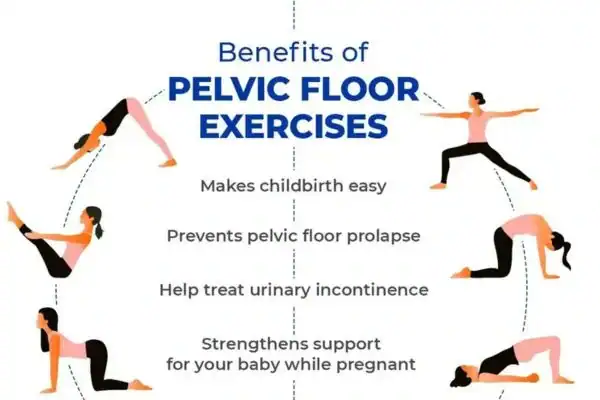
Faecal incontinence is characterised by a lack of control over defecation, which results in an involuntary loss of stool. Several factors can cause it, such as:
- Pelvic Floor Muscle Weakness: The muscles of the pelvic floor help support important organs such as the bowel, bladder, and uterus. With age, after childbirth, or following surgery, those muscles can become weaker.
- Nerve Damage: Injuries and diseases, including diabetes and stroke, can damage the nerves that control bowel movements.
- Constipation: Long-term straining at the toilet can harm the muscles and nerves. No matter what you call it, when weakened or damaged, those muscles that keep your bladder (and your rectum) from welcoming company until you decide otherwise.
- Diarrhoea: Loose stools make it more difficult to control and may worsen incontinence.
While these causes may vary, the one common factor in managing faecal incontinence is the role of the pelvic floor muscles. Strengthening these muscles can restore control and reduce symptoms.
How Pelvic Floor Exercises Help with Faecal Incontinence
Kegel exercises are a regimen of contractions and relaxations of the muscles at the floor of your pelvis to strengthen them and make them more coordinated, so they can help keep your bladder healthy.
It directly aids in:
1. Enhancing Muscle Tone
If they’re stronger, they can better support the rectum and help with incontinence and leakage.
2. Increasing Awareness and Control
Regular exercise helps you target and activate your pelvic muscles, allowing you to respond correctly when you need to defecate! How to Treat Erectile Dysfunction Naturally: Top Remedies
3. Improving Nerve Function
Both those whose incontinence is due to nerve damage can use these exercises to retrain the muscles the bladder and also regain fine control.
4. Supporting Core Stability
Building strong pelvic floor muscles improves the strength of postural and core stability muscles. While this can contribute to better lifting technique and overall physical performance, there is no direct evidence that pelvic floor exercises alone increase arm strength.
The Connection Between Pelvic Floor Exercises and Physical Health
Pelvic floor exercises are widely considered a treatment for controllable incontinence but may also help improve sacroiliac joint pain. The better the strength of your pelvic floor, the healthier your core and when it comes to movement for everything you do in your daily life. Whether sedentary, walking, lifting or working out – Core strength begins at the pelvis.
When it comes to someone working to build bigger arms or upper body strength, a strong pelvic base means those physical movements come with better posture and a lower risk of injury. This is the power connection between all associated muscles activating these muscle systems holistically throughout this intricate system between the pelvic floor, abdominal and upper body. Our Urinary Incontinence Treatment can help.
Benefits of Pelvic Floor Exercises
So, though they specifically target bowel and bladder control issues, pelvic floor exercises can do more than support faecal incontinence. These include:
- Gaining Better Control over Bowel: Having good tone in the pelvic floor muscles significantly assists with holding on to stool so that it is passed, when appropriate, at the correct time.
- Abdominal Stability: A strengthened pelvic floor works with the abdominal muscles to improve posture, balance, and core stability.
- Increases Self-Confidence: Having control over bowel movements again reduces the anxiety of feeling embarrassed about managing incontinence.
- Development of other Muscle Groups: Since a stable pelvic floor enhances physical performance, it may indirectly support upper-body and overall physical progression through improved core stability.
These benefits of pelvic floor exercises are holistic, highlighting the importance of these key muscle groups for both medical and general fitness.
How to Perform Pelvic Floor Exercises
Pelvic floor exercises, commonly known as Kegel exercises, are simple but require proper technique and consistency. Here is a guide to get started:
Identifying the Pelvic Floor Muscles: To locate these muscles, try stopping the flow of urine midstream (do not make this a habit). The muscles you tighten to stop the flow are your pelvic floor muscles.
The Basic Exercise: Once identified, follow these steps:
- Sit or lie down in a comfortable position.
- Tighten the pelvic floor muscles as if you are trying to hold in gas or urine.
- Hold the contraction for 3-5 seconds, then relax for 5 seconds.
- Repeat this process 10-15 times, twice a day.
Gradually Increase Duration and Reps: As your muscles become stronger, make each contraction longer and increase the number of reps. You can also emphasise the importance of fast, short squeezes to enhance muscle activation.
You do not want to tighten the thighs, buttocks or abs in these exercises. Only work on the pelvic floor. Click Here: Effective Treatment Options for Overactive Bladder
Incorporating Pelvic Floor Exercises into Your Routine
One of the beauties of pelvic floor exercises is their simplicity and accessibility. No special equipment is required, and they can be performed privately at home, at work or even on the go. But performance and technique are critical to your success.
Ultimate Pelvic Floor Exercises Guide: From How to Perform to Get the Best Results
Find the Right Muscles
First, identify your pelvic floor muscles. You simply can do this by stopping your urine mid-pee, or by squeezing the same muscles you would use to fart. Now that you have discovered those muscles, NOW MAKE SURE THAT YOU DO NOT engage your thighs, butt or even tummy while exercising!
The Basic Exercise
- Whether you decide to sit, stand, or lie in a comfortable position.
- Letting you stand, sit, or lie down.
- Now slowly pull in your pelvic floor muscles and hold for 3–5 seconds.
- After 5 seconds, relax completely.
- Repeat this 10–15 times, beginning by holding the pose for short durations and gradually increasing the duration.
Advanced Techniques
Once you have a good base, introduce more advanced movements, such as short, quick contractions or holding the action for longer durations, to give your muscles even more of a run for their money.
Breathing and Posture
Breathe properly as you perform this exercise. Avoid holding your breath, and maintain a straight posture to engage the core effectively.
Over time, as the pelvic floor becomes stronger, you’ll notice improvements in bowel control, posture, and overall stability—benefits that extend to activities requiring physical strength.
The Importance of Consistency and Patience
It is not something that happens overnight, curing faecal incontinence by working on the pelvic floor muscles. You may have to work on it for several weeks, even months, before you notice a real difference. Patience is the name of the game, as these exercises build strength slowly and healthily.
To stay consistent:
- Set a daily exercise schedule.
- Begin with short time periods (5–10 minutes) and work up.
- Track your progress and celebrate small victories, such as fewer accidents or increased muscle awareness.
The Role of Pelvic Floor Exercises In General Fitness
Interestingly, a stronger pelvic floor can help you with bowel and bladder control, but also beyond that. It combats the core that enables almost every physical activity and stops us from experiencing pain. Whether you are lifting weights, doing some yoga or using your own body weight, a good pelvic floor keeps your core working correctly.
When preventing or producing movements like push-ups, planks or lifting while building strength in the upper body and arms, you need your pelvis to stay stable. Without push, the body is unable to achieve equilibrium between force and counterforce, resulting in decreased core support, increased injury and reduced performance.
The real key to maximising your fitness potential comes from a well-working pelvic floor, this is where better movement patterns start, using better posture, control and efficiency throughout all states of movement.
Complementary Strategies for Better Results
While pelvic floor exercises are effective, including other techniques can help speed up and ensure results as part of a healthy lifestyle:
Diet and Fibre Intake
Soft, regular bowel movements are less likely to cause accidents. Final words: Always keep your hydration levels up for good digestion and a nice consistency of stool.
Mindful Bowel Habits
Avoid holding onto a bowel movement, excessive strain or muscle stretching. Avoid prolonged stool retention.
Physical Activity
Light activities, like walking, yoga, and other low-impact exercises,, increase blood flow and improve muscle function.
Seeking Professional Support
Speak to a pelvic health specialist, physiotherapist and obstetric physiotherapist (opens in new tab) if you’re struggling to perform these exercises or feel you are not making progress. They can offer personalised tips and ensure that you are doing everything safely.
When to Seek Professional Support
Pelvic floor exercises are safe for most people, but if you are pregnant and have pelvic girdle pain or pelvic pain, you might need more support to get the exercise right to avoid further injury. If any of these are done to you by a healthcare provider or pelvic health physiotherapist:
- Can not identify or isolate the pelvic floor.
- Lack of improvement in symptoms after several weeks of regular practice.
- Pain or excessive discomfort during exercises
A professional can give individualised suggestions and ensure you are performing the exercises appropriately to achieve optimal results.
Regaining Confidence and Quality of Life
Living with faecal incontinence can be lonely and daunting, but it’s important to realise that there are people who can help. Pelvic floor exercises help you naturally control your body without any surgical procedures or medications.
By taking just a few minutes out of your day to strengthen your pelvic floor, you are investing in your health, stability, and confidence.
The benefits extend far beyond bowel control, as improved pelvic function supports core strength, balance, and enhanced athletic performance. LF2Sella received FDA clearance for treating urinary incontinence; evidence for its effectiveness in faecal incontinence is more limited.
LF2sella Can Help Treat Urinary Incontinence Without Surgery.
At LIPO FREEZE 2U Waltham Forest , we believe that holistic approaches like pelvic floor exercises provide sustainable solutions. LF2sella Incontinence Treatment offers a non-invasive option for managing urinary incontinence. While some people explore such treatments for faecal incontinence, consult a healthcare professional for guidance on the most effective options for your specific needs.
FAQs About Pelvic Floor Exercises Waltham Forest, UK
Q: How soon will results from pelvic floor muscle exercises be felt?
For most people (including me), they see improvement within 4-6 weeks of regular practice. Yet responses to muscle weakness and to participant effort are likely to be diverse.
Q: Can men do pelvic floor exercises?
Yes. These pelvic floor exercises are good for men and women alike. Increased bowel control, better bladder function, and stronger core muscles can be gained by men, too.
Q: How do pelvic floor exercises benefit those with faecal incontinence?
This positive effect can be achieved through these activities, which tone and stretch the muscles that stabilise the rectum and contractile movements to reduce the incidence of involuntary overall leakages as well as improve coordination in general.
Q: Can doing Kegels make a difference in core strength?
Absolutely. The pelvic floor muscles are a part of your core. This strengthens them, enhancing stability and posture while increasing performance during lifting activities or fitness workouts.
Q: Are there other benefits to pelvic floor exercises?
Yes. Besides helping with incontinence, these exercises are helpful at strengthening the core and other muscle groups, leading to improved bladder control, sexual health, and physical fitness.
Q: What is a good exercise for the pelvic floor?
Pelvic floor exercises generally strengthen the muscles that support the bowel, uterus, and bladder. This information pamphlet describes how they help to prevent or address issues such as urinary incontinence, prolapse and even symptoms of prolapse on sexual health. This suggests that these muscle groups become stronger and more supportive through movement.
By including the pelvic floor exercises into your daily life, you are taking a proactive step toward better health and well-being, just like Kathryn advocates. With time, patience, and consistency, you can regain control, enjoy improved fitness, and move through life with greater confidence.